
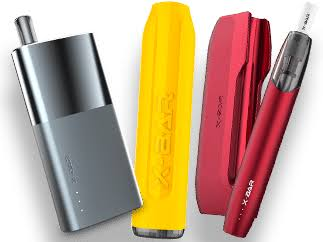
Electronic cigarettes are battery-powered devices designed to produce an aerosol by heating a liquid rather than burning tobacco. The term Electronic Cigarette Puff generally refers to one inhalation or the amount of aerosol produced during a single activation of the device. Understanding puff technology can help explain how these products work, how their designs Electronic Cigarette Puff differ, and why user experiences can vary. Because electronic cigarettes can expose users to nicotine and other potentially harmful substances, this overview focuses on technology and product design rather than encouraging their use.
What Is an Electronic Cigarette Puff?
An Electronic Cigarette Puff occurs when a device activates its heating system and produces an aerosol from its liquid reservoir. Depending on the design, activation may happen automatically when the device detects airflow or through an electronic control mechanism.
The duration and characteristics of a puff can vary according to the device’s design, battery system, heating element, airflow configuration, and liquid formulation. These factors influence the amount of aerosol generated and the sensation experienced by the user.
It is important to distinguish aerosol from harmless water vapor. Electronic cigarette aerosol may contain nicotine, flavoring chemicals, ultrafine particles, and other substances. Consequently, the presence of an appealing design or smooth aerosol does not mean that a product is risk-free.
How Puff Technology Works
The basic technology behind an electronic cigarette involves several components working together. A battery provides electrical power, while an electronic control system manages activation. A heating element then converts electrical energy into heat, which interacts with the liquid held inside the device.
Airflow is another important part of the system. When airflow passes through the device, the heating system may activate and produce aerosol. Different products use different airflow arrangements, which can influence aerosol density, temperature, and consistency.
Modern devices may include sensors and electronic controls intended to regulate operation. Some designs attempt to provide consistent output during use, while others may vary depending on battery conditions and other technical factors.
Design Features of Electronic Cigarettes
Design plays a major role in how electronic cigarettes are presented and operated. Devices can differ considerably in size, shape, materials, controls, and internal architecture.
Compact products typically prioritize portability, while larger devices may have more complex electronic systems. Some products use sealed cartridges, while others use refillable reservoirs. These design differences affect maintenance requirements, product longevity, and overall operation.
Manufacturers may also incorporate indicators such as small lights or displays to communicate battery status or operating conditions. From an engineering perspective, these features are intended to make device operation more predictable and understandable.
The Role of Airflow
Airflow is one of the most important technical factors associated with an Electronic Cigarette Puff. The pathway through which air enters and moves through a device affects how the aerosol is formed and delivered.
Engineers consider factors such as air resistance, heating-element performance, and internal airflow channels when designing these products. Changes in airflow can alter aerosol characteristics and the overall sensation reported by users.
However, a smoother or stronger puff should not be interpreted as evidence that a product is safer. Sensory characteristics and health risks are separate issues.
Battery and Heating Technology
Battery technology provides the energy required to operate electronic cigarettes. Many products use rechargeable lithium-based batteries, while some compact products are designed around limited-use battery systems.
The heating element is equally important. It must reach an appropriate operating temperature to transform liquid into aerosol. Electronic control systems can influence how consistently the heating element operates.
From a technical perspective, battery management is also an important safety consideration. Poorly designed or damaged battery systems can create hazards, which is why electronic products require appropriate manufacturing standards and responsible handling.
Understanding User Experience
User experience encompasses more than the sensation associated with an Electronic Cigarette Puff. It can include device size, ergonomics, activation method, airflow, noise, portability, and perceived consistency.
A product that is simple to operate may be considered more convenient, while a complicated interface can create a steeper learning curve. Similarly, device weight and shape can affect how comfortable it feels to hold.
Flavor and aerosol characteristics may also influence perceptions, but these subjective experiences should not be confused with health benefits. In particular, nicotine-containing electronic cigarettes can lead to dependence.
Consistency and Product Performance
Consistency is a significant engineering goal in electronic cigarette design. Manufacturers may attempt to maintain relatively stable performance across repeated activations by controlling electrical output and heating behavior.
Nevertheless, performance can change as battery power decreases or as components age. Environmental conditions and product construction can also influence operation.
For researchers and engineers, measuring aerosol output under standardized conditions can provide useful information about product characteristics. Such measurements are more reliable than judging a product solely by its appearance or subjective sensation.
Health and Safety Considerations
Electronic cigarettes are not harmless consumer products. Many contain nicotine, which is highly addictive and can be particularly concerning for adolescents and young people because nicotine exposure can affect the developing brain.
The aerosol can also contain substances that may irritate the respiratory system or otherwise pose health concerns. The long-term health effects of vaping continue to be studied, but existing evidence does not support treating electronic cigarettes as risk-free.
For people who do not already use nicotine products, starting electronic cigarette use is not a safe choice. Young people in particular should avoid nicotine products.
Regulations and Responsible Product Design
Regulation has become an important part of electronic cigarette technology. Requirements can address labeling, ingredients, electrical safety, packaging, emissions, marketing, and age restrictions, depending on the jurisdiction.
Responsible product design should prioritize electrical safety, clear information, secure construction, and compliance with applicable laws. Marketing should also avoid presenting nicotine products as harmless or targeting young audiences.
The Future of Puff Technology
Future developments in electronic cigarette technology may focus on sensors, battery efficiency, materials, manufacturing consistency, and environmental considerations. Researchers may also continue studying aerosol composition and exposure patterns.
From a technical standpoint, improved measurement systems could help scientists better understand how device characteristics influence aerosol production. Such research can contribute to stronger consumer information and regulatory standards.
Conclusion
An Electronic Cigarette Puff is the result of several interconnected technologies, including batteries, heating elements, airflow systems, sensors, and liquid reservoirs. Device design can influence aerosol characteristics and overall user experience, while engineering choices affect consistency and performance.
Despite technological advancements, electronic cigarettes should not be considered harmless. Nicotine dependence and exposure to potentially harmful substances remain important concerns, especially for young people. Understanding the technology is therefore most useful when combined with accurate information about its limitations and health risks.