
Introduction
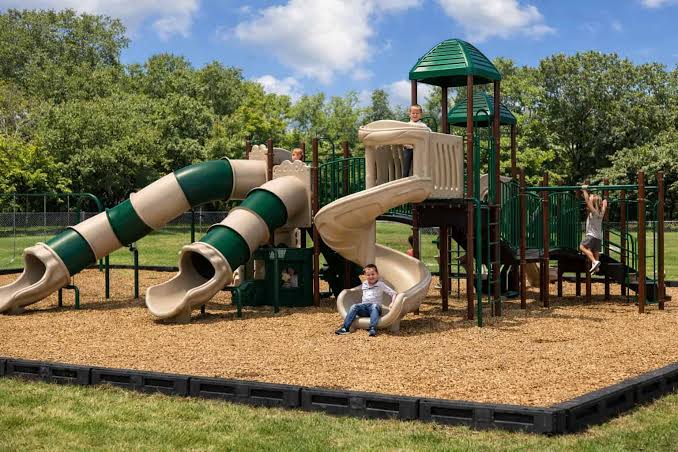
Play is an essential part of childhood, helping children develop physical abilities, build confidence, and learn how to interact with others. In schools, parks, daycare centers, and family entertainment facilities, well-designed playgrounds provide opportunities for children to stay active while enjoying meaningful experiences with their peers. Commercial Playground Equipment plays an important role in creating these environments by combining fun, movement, creativity, and social interaction.
Unlike ordinary play areas with limited activities, modern commercial playgrounds can include climbing structures, slides, swings, balance features, interactive panels, and group play stations. These elements encourage children to explore their surroundings, challenge themselves, and participate in activities that support their overall development. By investing in thoughtfully designed playground spaces, communities and organizations can create welcoming environments where children learn through play.
The Importance of Active Play in Childhood
Active play involves physical movement that allows children to use their muscles, improve coordination, and explore different types of motion. Running, jumping, climbing, swinging, and balancing are enjoyable activities that help children develop important physical skills.
Commercial playground equipment provides a structured yet flexible environment for these experiences. Climbing frames encourage children to use their arms and legs together, while balance beams help them improve body control. Slides and swings introduce different movement patterns that allow children to develop coordination and spatial awareness.
Regular physical activity also supports healthy childhood routines. When children have access to attractive and engaging play areas, they may be more interested in spending time outdoors rather than remaining inactive for extended periods. Playgrounds can therefore become valuable community spaces that make movement enjoyable and accessible.
How Commercial Playground Equipment Promotes Physical Development
Improving Strength and Coordination
Different playground features encourage children to use various muscle groups. Climbing nets, ladders, and overhead bars require controlled movements and coordination between the upper and lower body. Slides and stepping platforms provide additional opportunities to practice balance and movement.
These activities allow children to develop physical skills gradually. Younger children may begin with low climbing steps or simple balance features, while older children can explore more challenging structures designed for their abilities.
Developing Balance and Motor Skills
Balance and motor coordination are important for everyday activities, including walking, running, and participating in sports. Playground equipment offers children opportunities to practice these skills in an enjoyable setting.
Stepping stones, low balance bridges, and interactive movement stations encourage children to adjust their posture and control their movements. Repeating these activities can help improve body awareness and confidence.
Encouraging Outdoor Exploration
Outdoor playgrounds give children opportunities to experience fresh air, natural surroundings, and open spaces. Commercial playground equipment can be arranged to encourage movement between different activity zones, making play more varied and engaging.
For example, a playground might include a climbing area, a slide section, and a creative play station. Children can move between these features according to their interests, helping prevent boredom and encouraging active exploration.
Supporting Social Development Through Group Play
Physical activity is only one benefit of commercial playground equipment. Playgrounds also create natural opportunities for children to communicate, cooperate, and build relationships.
Teaching Cooperation and Teamwork
Many playground activities are more enjoyable when children participate together. Group climbing structures, interactive games, and shared play stations encourage children to cooperate and consider one another’s needs.
Children may take turns using a particular feature, help a friend complete an activity, or work together to create an imaginary adventure. These experiences introduce important lessons about teamwork, patience, and mutual respect.
Cooperative play can also help children understand that everyone has different abilities and preferences. Learning to include others encourages more positive social experiences.
Building Communication Skills
Playgrounds often bring together children who have different personalities, backgrounds, and communication styles. During play, children naturally ask questions, suggest games, explain rules, and express their ideas.
Pretend-play structures, themed playhouses, and interactive panels can encourage conversations and imaginative storytelling. Children might turn a play structure into a castle, a shop, or a space station, developing stories together as they interact.
These shared experiences give children opportunities to practice listening, speaking, and understanding different perspectives.
Learning to Share and Take Turns
Shared equipment helps children learn how to manage everyday social situations. Waiting for a turn on a swing or slide teaches patience, while sharing interactive features encourages consideration for others.
Occasional disagreements may occur when children have different ideas about how to play. With appropriate adult guidance, these moments can become opportunities to practice negotiation, problem-solving, and respectful communication.
A well-organized playground can make these interactions easier by providing enough equipment and different activity choices to reduce unnecessary crowding.
Encouraging Confidence and Independence
Commercial playground equipment can also support emotional development by giving children opportunities to try new activities at their own pace.
A child who initially feels uncertain about climbing a structure may begin with a lower platform before gradually attempting more challenging features. Completing a manageable activity can create a sense of achievement and encourage the child to keep learning.
Playgrounds should offer different difficulty levels so that children can choose activities appropriate to their abilities. This approach supports independence without placing unnecessary pressure on children to compete with their peers.
Positive social experiences also contribute to confidence. When children make friends, participate in group games, or receive encouragement from others, they may become more comfortable expressing themselves and joining new activities.
The Role of Inclusive Playground Design
An effective commercial playground should welcome children with different abilities, interests, and developmental needs. Inclusive design helps create spaces where more children can participate in shared experiences.
Accessible pathways, suitable transfer platforms, ground-level activities, and sensory play panels can improve access to different playground features. Quiet areas may also help children who need a break from busy surroundings.
Inclusive playground equipment should offer varied ways to participate rather than requiring every child to complete the same activity. For example, one child might enjoy climbing, while another prefers imaginative games or interactive sensory features.
These options encourage children to discover activities that suit them while providing opportunities to interact with their peers. An inclusive playground communicates that everyone deserves a place in the play environment.
Creating Safe and Engaging Play Environments
Safety is a fundamental consideration when selecting commercial playground equipment. Children are more likely to explore confidently when equipment is appropriate for their age group, correctly installed, and properly maintained.
Playground planners should consider equipment height, spacing, fall zones, suitable impact-absorbing surfacing, and clear circulation routes. Equipment should comply with applicable local regulations and recognized playground safety standards.
Regular inspections can help identify loose components, damaged surfaces, worn connections, and other maintenance concerns. Any damaged equipment should be repaired or taken out of use as appropriate.
Supervision is equally important, particularly for younger children. Adults can help children understand playground rules, encourage respectful behavior, and provide support when an activity becomes challenging.
A balance between safety and exploration is important. Play areas should allow children to make age-appropriate choices while providing suitable safeguards against foreseeable hazards.
Choosing the Right Commercial Playground Equipment
Selecting suitable equipment requires careful consideration of the intended users, available space, budget, and long-term maintenance needs.
Schools and childcare centers may prioritize equipment that supports group activities, physical coordination, and age-appropriate learning. Public parks may benefit from a wider range of climbing structures, swings, slides, and inclusive play features that appeal to different age groups.
Durability is another important factor. Commercial playground equipment should be designed for frequent use and exposure to local weather conditions. Materials, finishes, replacement parts, and maintenance requirements should all be considered before purchasing.
The layout also deserves attention. Placing active equipment near complementary play features can create an engaging flow, while separating age groups or high-energy activities where appropriate can help reduce congestion.
Working with an experienced playground supplier or designer can help organizations develop a practical plan that meets safety requirements and supports their developmental goals.
Conclusion
Commercial playground equipment provides much more than a place for children to have fun. It creates opportunities for physical activity, social interaction, emotional growth, and independent exploration. Climbing structures, slides, balance features, and interactive play stations encourage children to move their bodies while learning valuable lessons about cooperation, communication, patience, and confidence.
When playgrounds are designed with safety, accessibility, durability, and different developmental needs in mind, they can become valuable resources for schools, communities, and family entertainment facilities.
Investing in high-quality commercial playground equipment helps create engaging environments where children can stay active, build friendships, and develop essential life skills. A thoughtfully designed playground supports healthier routines and stronger social connections, making play a meaningful part of childhood development.