
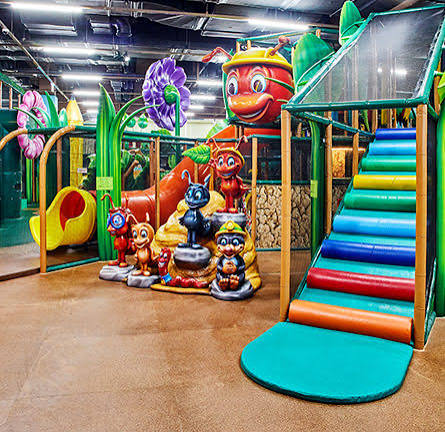
Commercial indoor playgrounds have become popular attractions in shopping malls, family entertainment centers, restaurants, childcare facilities, schools, and dedicated play centers. They provide children with a fun environment where they can explore, exercise, socialize, and develop important physical and cognitive skills. For businesses, investing in commercial indoor playground equipment can create new revenue opportunities, attract families, and encourage customers to spend more time at their facilities.
However, purchasing playground equipment requires careful planning. Business owners must consider safety, available space, equipment quality, age groups, installation requirements, maintenance costs, and long-term profitability. Understanding these factors before making a purchase can help businesses choose suitable equipment and build an attractive play environment.
1. Identify Your Business Goals and Target Audience
Before selecting commercial indoor playground equipment, determine what you want your playground to achieve. Different businesses have different requirements, and the right equipment depends on the purpose of the facility.
For example, a shopping mall may want a colorful play area that encourages families to stay longer, while a dedicated indoor playground may need a larger structure with multiple activities to attract paying customers. A restaurant might prefer a compact play zone where children can remain entertained while parents enjoy their meals.
Your target audience is equally important. Equipment designed for toddlers will differ from structures intended for school-age children. Younger children often benefit from low platforms, small slides, soft play blocks, and sensory activities. Older children may enjoy climbing walls, tunnels, obstacle courses, and interactive play features.
Understanding your audience helps you invest in equipment that matches customer expectations and supports your business objectives.
2. Evaluate the Available Space
Space planning is one of the most important steps when buying commercial playground equipment. A structure that looks impressive in a product catalog may not fit comfortably inside your building.
Measure the available floor area, ceiling height, entrances, support columns, windows, and other permanent features. You should also consider the space required for walkways, seating, reception areas, emergency exits, and staff supervision.
Avoid filling every available corner with play equipment. Children need sufficient room to move safely, and staff members must be able to monitor activities throughout the facility.
A professional playground supplier can help develop a layout that uses the available space efficiently. Depending on your building, vertical play structures may provide more activities without occupying excessive floor space.
Before finalizing the design, verify that the proposed layout complies with applicable building regulations, accessibility requirements, fire safety rules, and playground safety standards.
3. Prioritize Safety and Quality Standards
Safety should always be a primary consideration when purchasing commercial indoor playground equipment. Children may climb, jump, crawl, and slide repeatedly, so every component must be designed for regular use.
Look for equipment manufactured using durable materials, secure connections, smooth surfaces, and appropriate protective padding. Edges and joints should be carefully finished to reduce the risk of cuts, pinching, or entrapment.
Ask suppliers about the safety standards applicable to their products and the markets in which the equipment will operate. Depending on your location, relevant requirements may include ASTM standards, EN 1176, or other recognized playground safety guidelines. Confirm which standards apply to your specific equipment and jurisdiction rather than assuming that one certification covers every requirement.
You should also ask whether the manufacturer provides inspection documentation, installation instructions, load specifications, and maintenance recommendations.
Remember that purchasing compliant equipment is only one part of maintaining a safe playground. Correct installation, regular inspections, staff training, and prompt repairs are equally important.
4. Choose Durable and Child-Friendly Materials
Commercial playgrounds often experience frequent use, particularly during weekends, holidays, and school breaks. Equipment made from poor-quality materials may deteriorate quickly, leading to additional repair expenses and interruptions to business operations.
Common materials include galvanized or coated steel frames, commercial-grade plastics, foam padding, PVC coverings, and durable netting. Each material serves a different purpose, so its suitability depends on the equipment design and intended environment.
When evaluating materials, consider resistance to wear, cleaning requirements, moisture exposure, and the availability of replacement components. Padding and soft play surfaces should be durable enough for repeated contact while remaining appropriate for their intended use.
Request samples, technical specifications, and information about material testing whenever possible. It is also useful to ask the supplier how the equipment performs under heavy daily use.
Investing in quality products may require a higher initial budget, but it can reduce maintenance demands and help protect your business investment over time.
5. Consider Equipment Variety and Play Value
A successful indoor playground offers activities that keep children interested without making the environment unnecessarily complicated. Equipment variety can encourage repeat visits and help your business appeal to families with children of different ages.
Popular options include slides, climbing structures, ball pits, tunnels, soft play blocks, interactive panels, and obstacle courses. Larger facilities may also incorporate trampoline areas or dedicated toddler zones, provided the design, supervision, and safety arrangements are appropriate.
Think about how different activities work together. A combination of climbing, crawling, balancing, and imaginative play can create a more engaging experience than a collection of similar features.
You should also consider future expansion. Modular commercial indoor playground equipment may allow businesses to add activities or modify layouts as customer preferences change.
When comparing designs, evaluate play value alongside appearance. Bright colors and attractive themes can capture attention, but the equipment should also provide meaningful activities that encourage movement, exploration, and social interaction.
6. Understand the Total Cost of Ownership
The purchase price is only one part of the financial commitment involved in establishing an indoor playground. Businesses should calculate the total cost of ownership before choosing a supplier.
Additional expenses may include shipping, customs duties, installation, flooring, protective barriers, electrical work, permits, staff training, insurance, cleaning supplies, and ongoing maintenance.
For imported equipment, transportation costs and delivery schedules deserve particular attention. Clarify which services are included in the supplier’s quotation and which expenses your business must cover separately.
It is also wise to establish a maintenance budget for inspections, repairs, replacement padding, worn components, and other routine needs.
If the playground will generate revenue through admission fees, memberships, parties, or packages, estimate how many customers you need to serve to cover operating expenses. Use realistic assumptions about visitor numbers, seasonal demand, staffing, and downtime.
A detailed financial plan helps you avoid unexpected expenses and select equipment that fits your budget without compromising essential safety requirements.
7. Research the Manufacturer and Supplier
The reliability of your supplier can significantly influence the quality of your playground project. A professional manufacturer should provide clear product information, practical design support, transparent pricing, and dependable after-sales service.
Review the supplier’s experience with commercial installations and ask for examples of completed projects. Customer references, product photographs, technical drawings, and independent reviews can help you evaluate their credibility.
Ask specific questions about warranties, replacement parts, installation support, delivery timelines, and procedures for resolving product defects.
If you are considering a custom playground, confirm whether the manufacturer can adapt the design to your building dimensions, branding, target audience, and operational requirements.
Do not select a supplier based on price alone. A low quotation may exclude important services or involve materials that are unsuitable for intensive commercial use. Comparing several qualified suppliers helps you understand the market and make a better-informed decision.
8. Plan for Installation and Ongoing Maintenance
Even high-quality playground equipment can become unsafe if it is installed incorrectly or poorly maintained. Before purchasing, determine who will handle installation and whether qualified technicians are available.
Request a clear installation schedule and confirm what preparation is required at your site. Depending on the design, you may need suitable flooring, structural assessments, electrical connections, or modifications to the building.
Once the playground opens, establish a documented maintenance routine. Staff should conduct appropriate pre-opening checks, while qualified personnel should perform scheduled inspections according to the manufacturer’s instructions and applicable standards.
Create a procedure for reporting damaged components, restricting access to unsafe areas, and arranging repairs. Cleaning schedules should also address frequently touched surfaces, soft play materials, and other areas that require regular sanitation.
A proactive maintenance plan helps preserve equipment quality, supports customer confidence, and reduces the likelihood of unexpected closures.
9. Focus on Customer Experience and Accessibility
A well-designed playground should be enjoyable for children and convenient for their accompanying adults. Parents often value clean surroundings, comfortable seating, clear visibility, convenient restrooms, and straightforward entry procedures.
Consider providing separate play areas for different age groups where practical. Clear signs explaining age restrictions, capacity limits, and play rules can help families understand how to use the facility.
Accessibility should also be part of the planning process. Evaluate entrances, circulation routes, seating arrangements, and opportunities for children with different abilities to participate. Consult relevant accessibility guidance and qualified professionals when developing your design.
A positive customer experience can encourage repeat visits, recommendations, and stronger relationships with local families.
10. Review Warranties and Future Expansion Options
Before signing a purchase agreement, carefully examine the warranty terms. Confirm its duration, coverage limitations, exclusions, and process for reporting defects. Ask whether labor, shipping, replacement parts, and installation-related issues are included.
You should also determine whether the supplier will continue providing spare parts and technical support after the initial sale.
Business needs may change as customer numbers increase or new services are introduced. Equipment with modular components can provide flexibility for future improvements, although any expansion must preserve structural integrity and safety compliance.
A supplier that offers dependable long-term support can make future upgrades easier and help you protect your investment.
Conclusion
Buying commercial indoor playground equipment is an important decision that requires more than choosing an attractive design. Businesses must evaluate their goals, available space, safety requirements, material quality, equipment variety, total costs, and supplier reliability before committing to a purchase.
Careful planning can help create a playground that serves children effectively while meeting the practical needs of parents, staff, and business owners. By prioritizing safety, durability, maintenance, and customer experience, businesses can establish an engaging indoor play environment with better prospects for long-term success.
Ultimately, the best investment is equipment that fits your facility, supports your business model, and provides children with a safe, enjoyable, and memorable place to play.